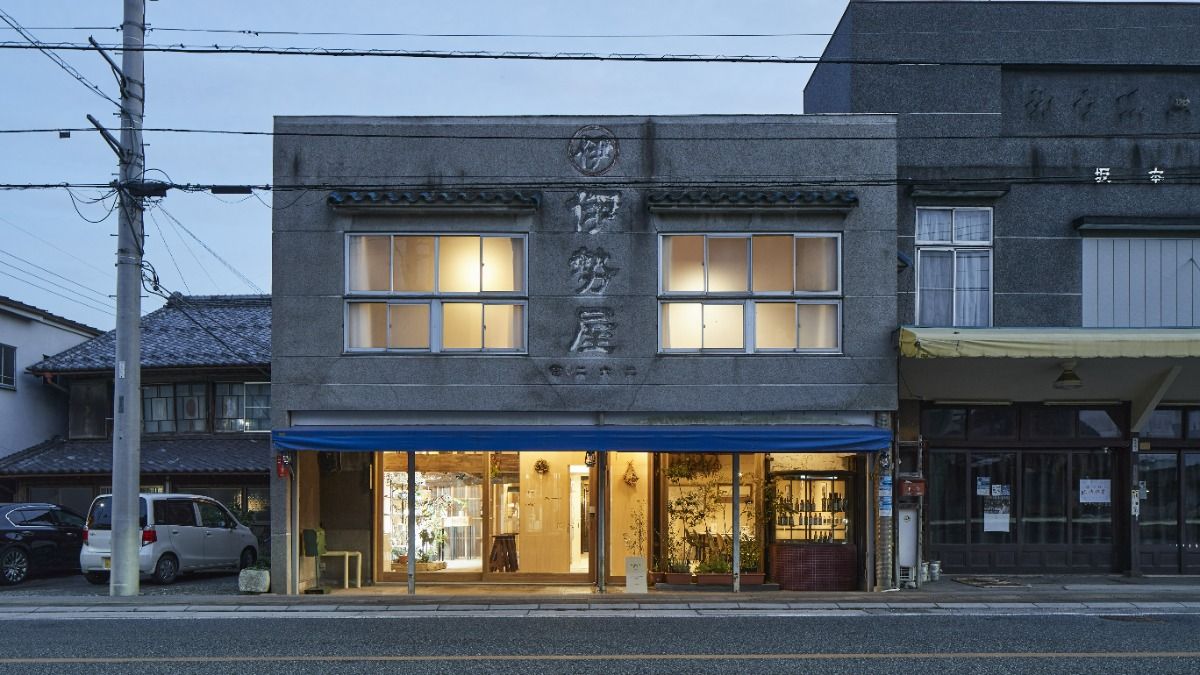
Somewhere between travel and everyday life
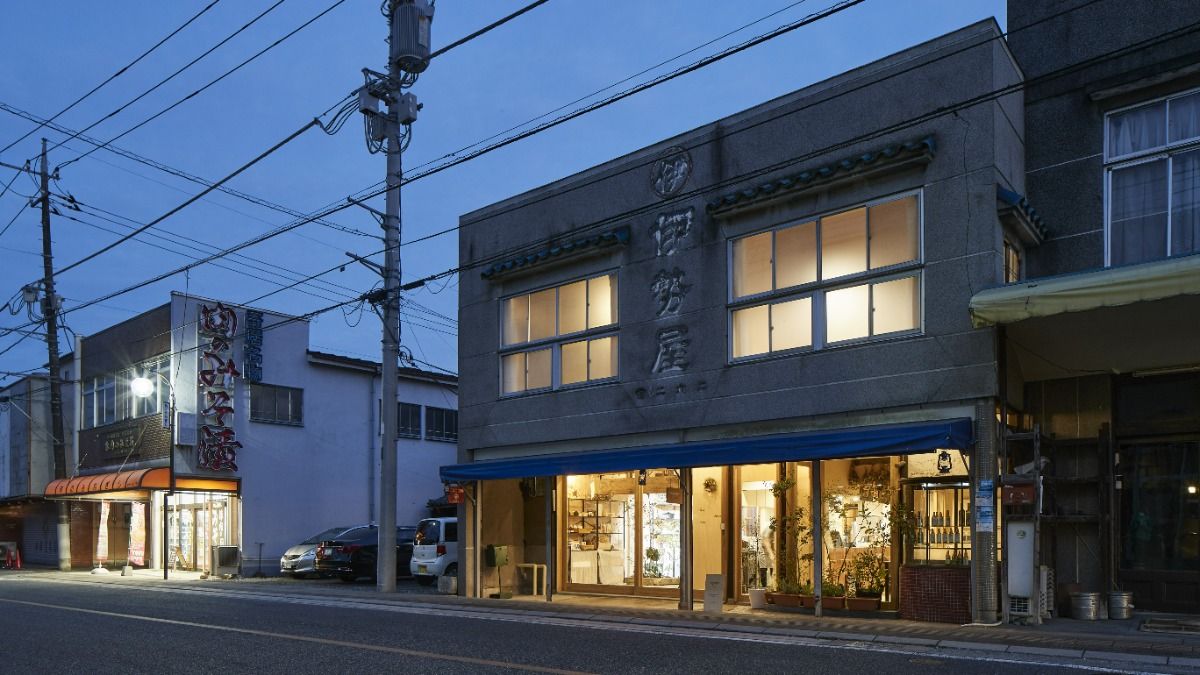
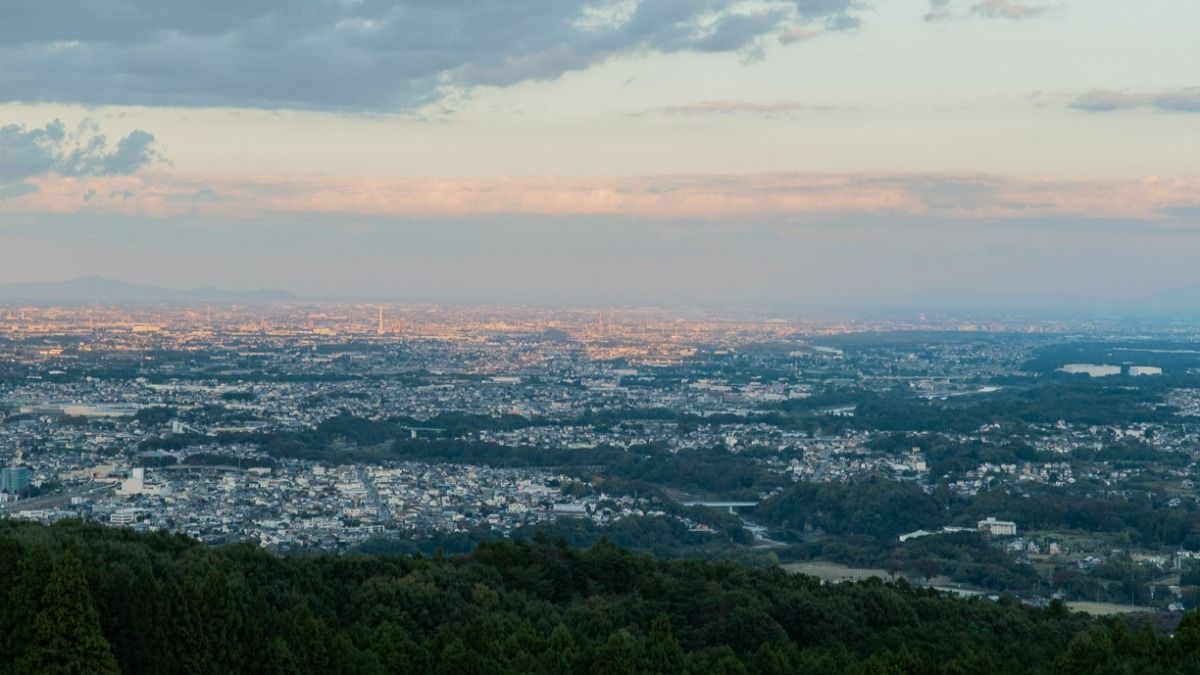
mujaqui sits in the middle of Yorii, a small town in northwestern Saitama where the clear water of the Arakawa River runs beneath a soft line of mountains. Yorii once thrived as a post town on the old highway, but those days are long gone. Today the shopping street goes quiet as soon as the sun sets. The nature here is clean and lovely, and yet the town has never been packaged up for tourism — it has simply stayed as it is. Quiet, unhurried, plain in the best sense of the word.
We wanted to put a light back on in this town. Not to make it busy or loud, but so that people might notice, with all five senses, how clear and beautiful an ordinary landscape can be.
So instead of building something for tourists, we started a small guesthouse: a place to settle into the town's daily rhythm, somewhere in the space between traveling and living.
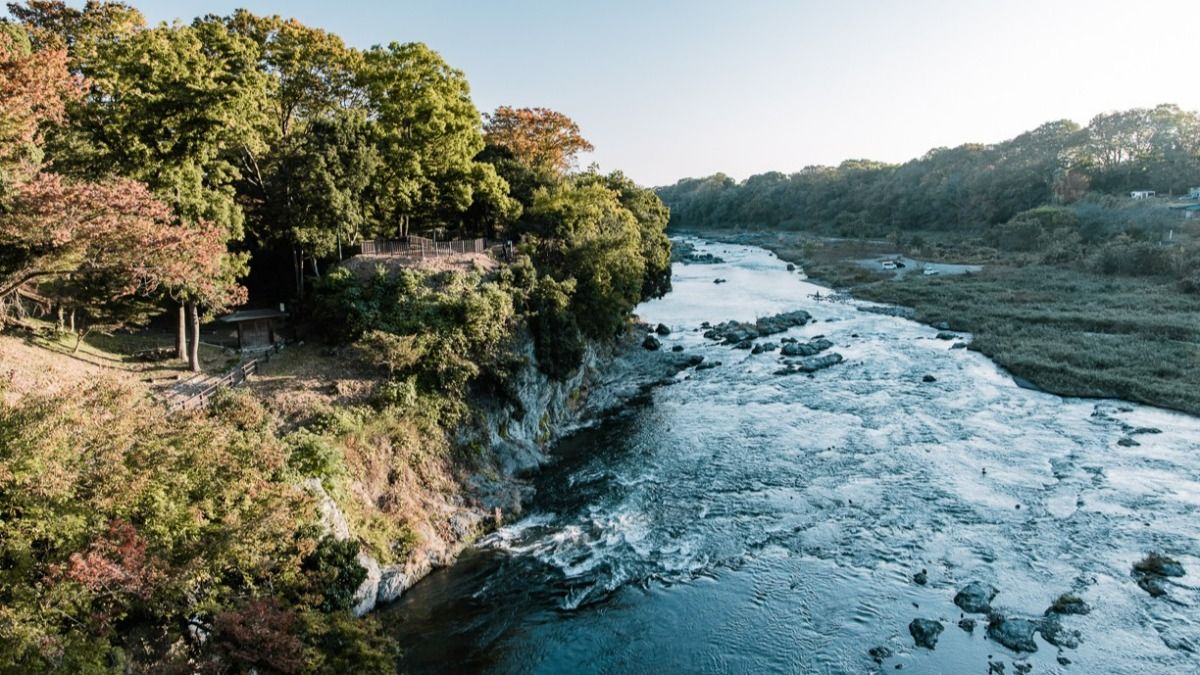
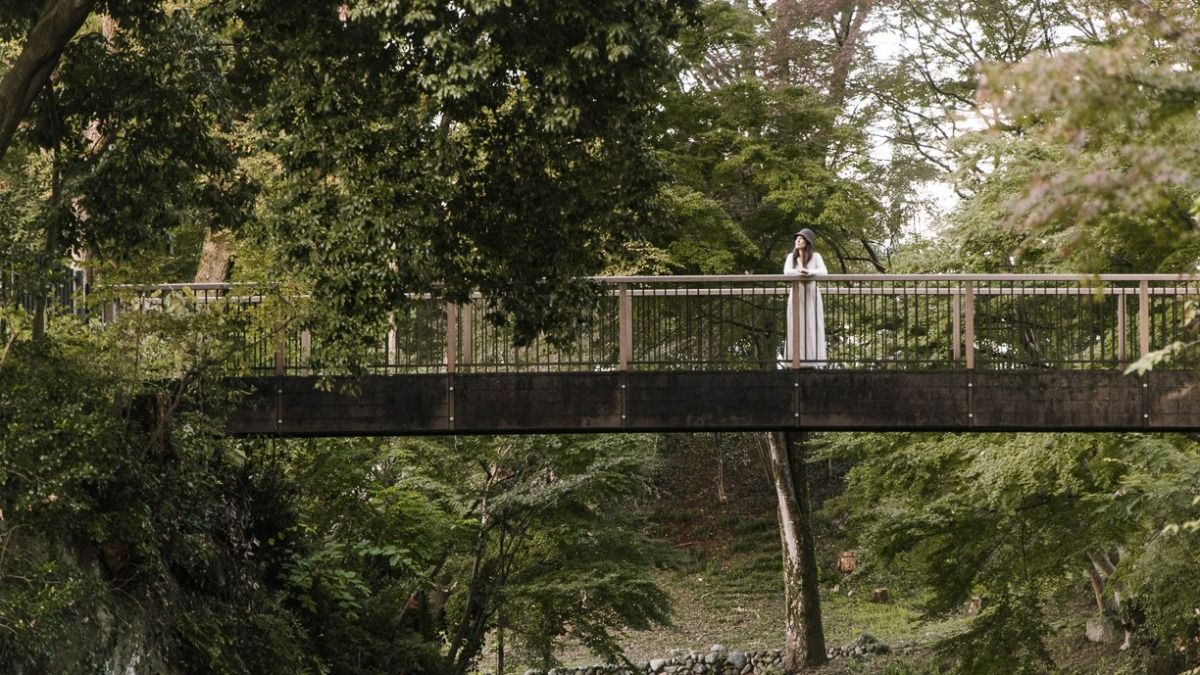
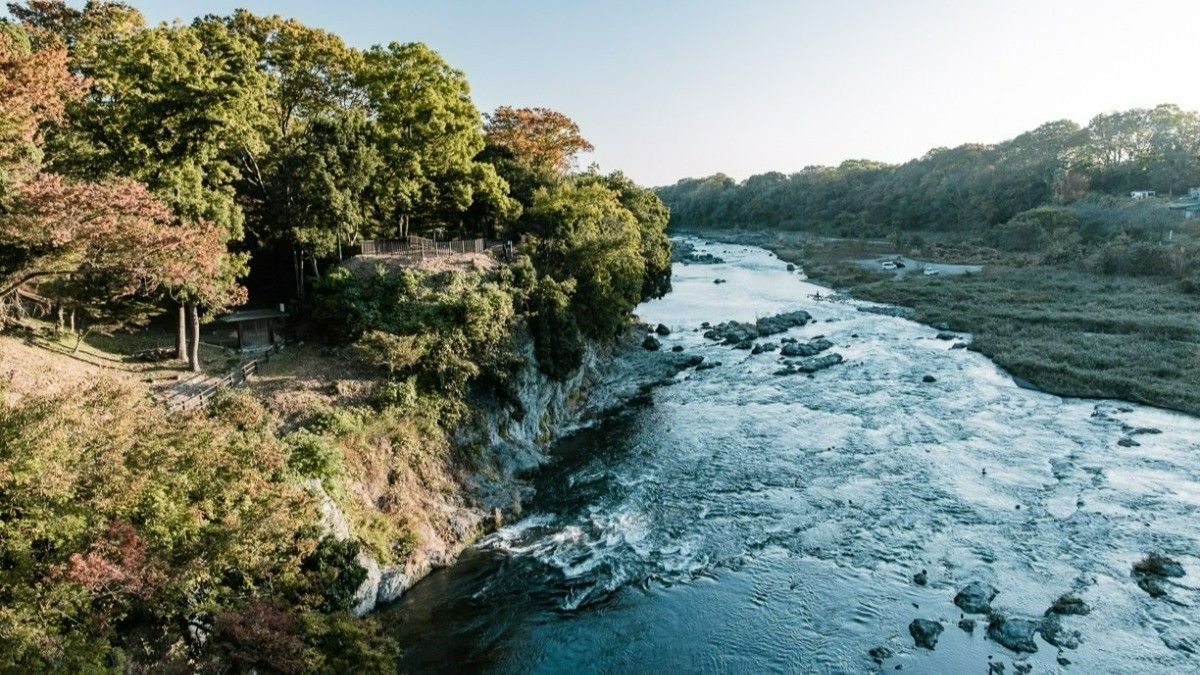 ▲ The Arakawa River runs through the heart of Yorii, beautiful in every season
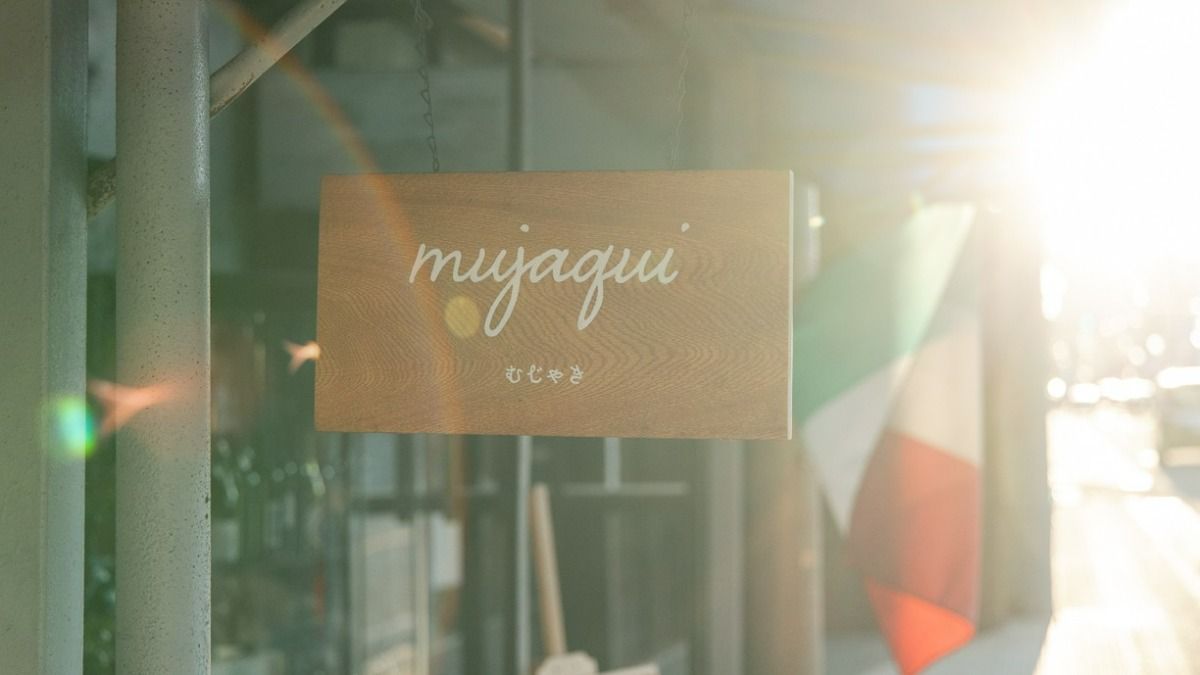
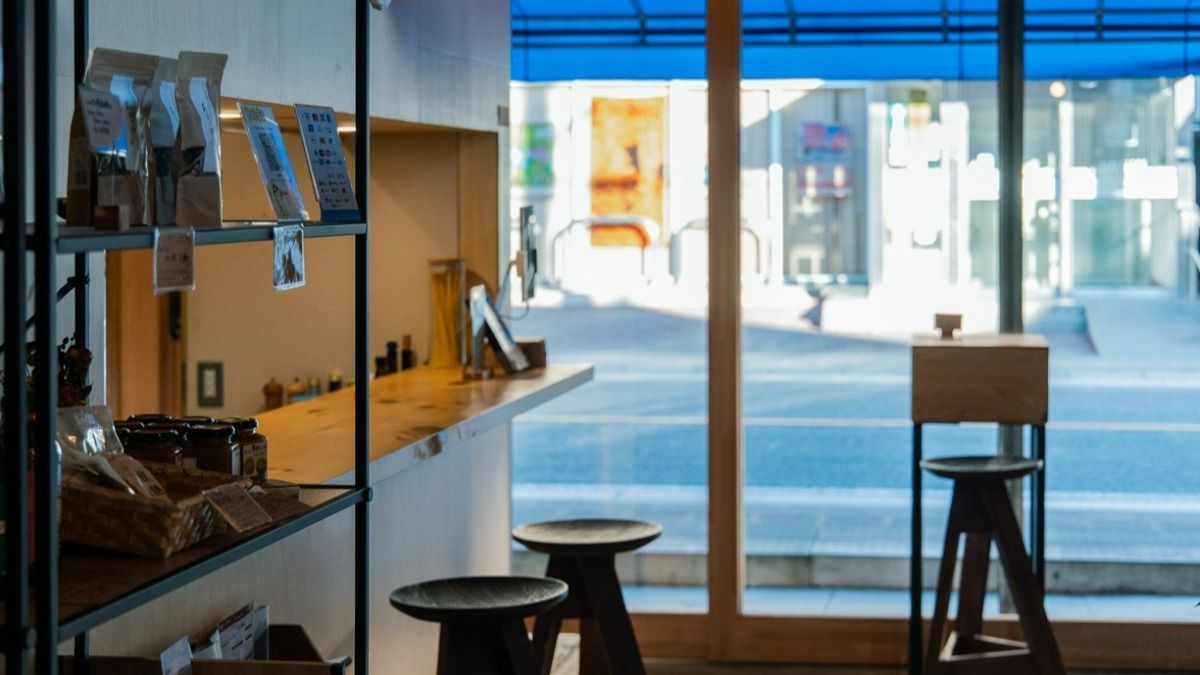
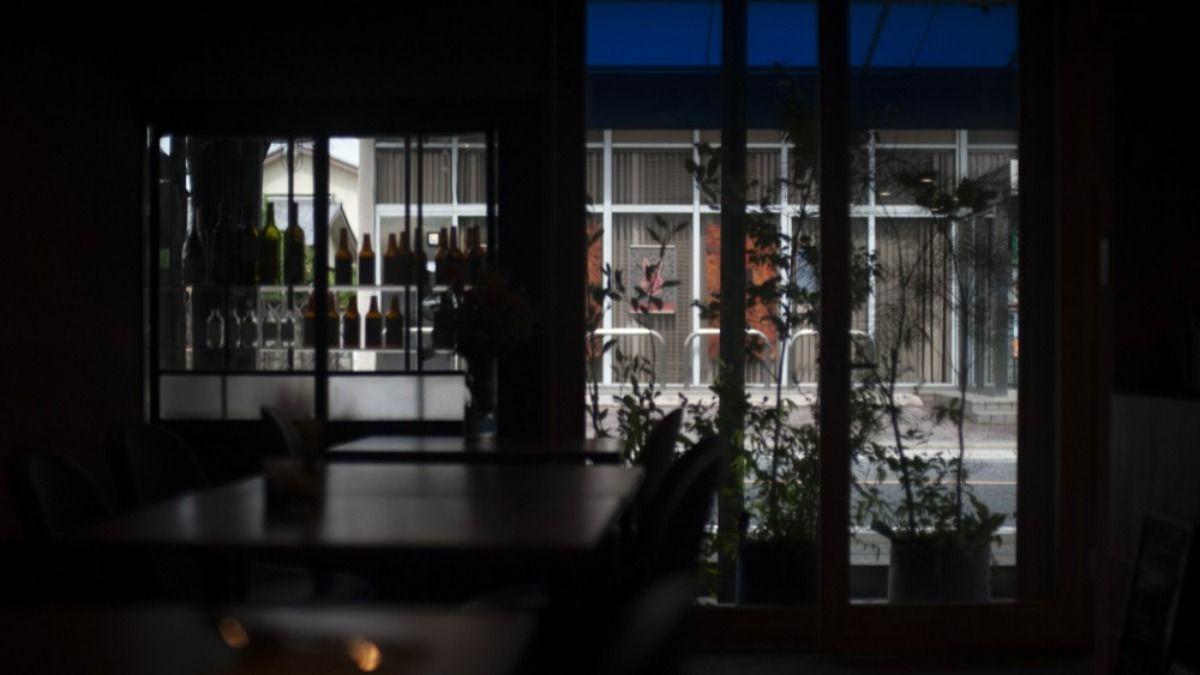
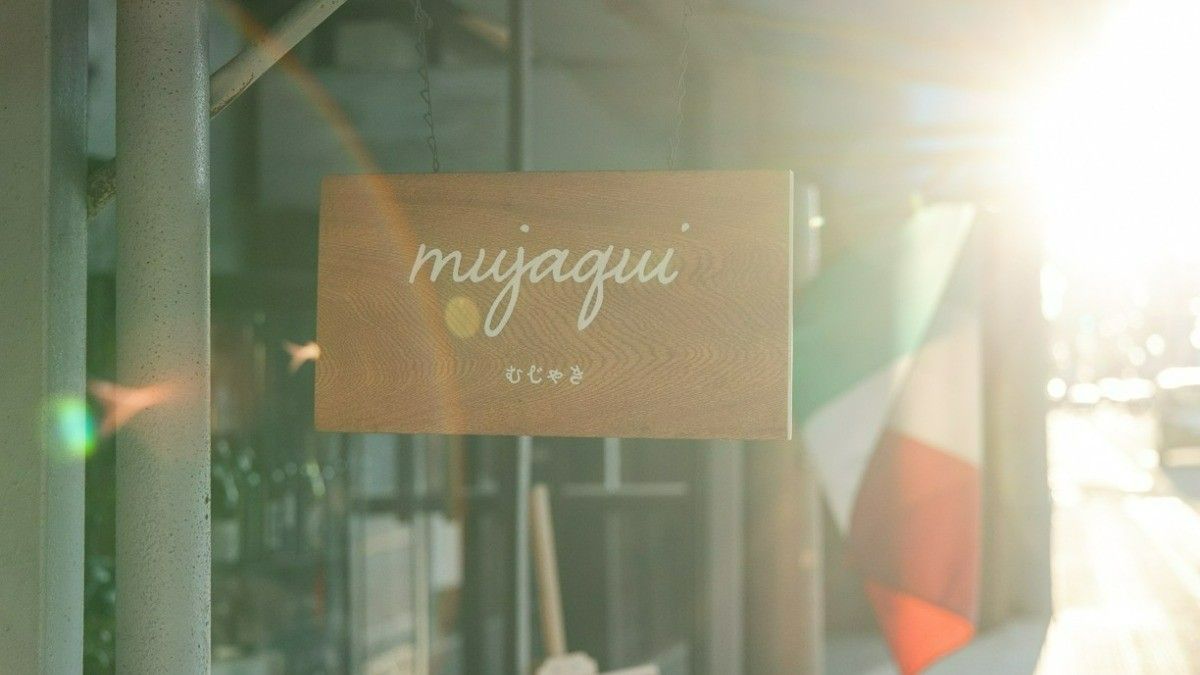
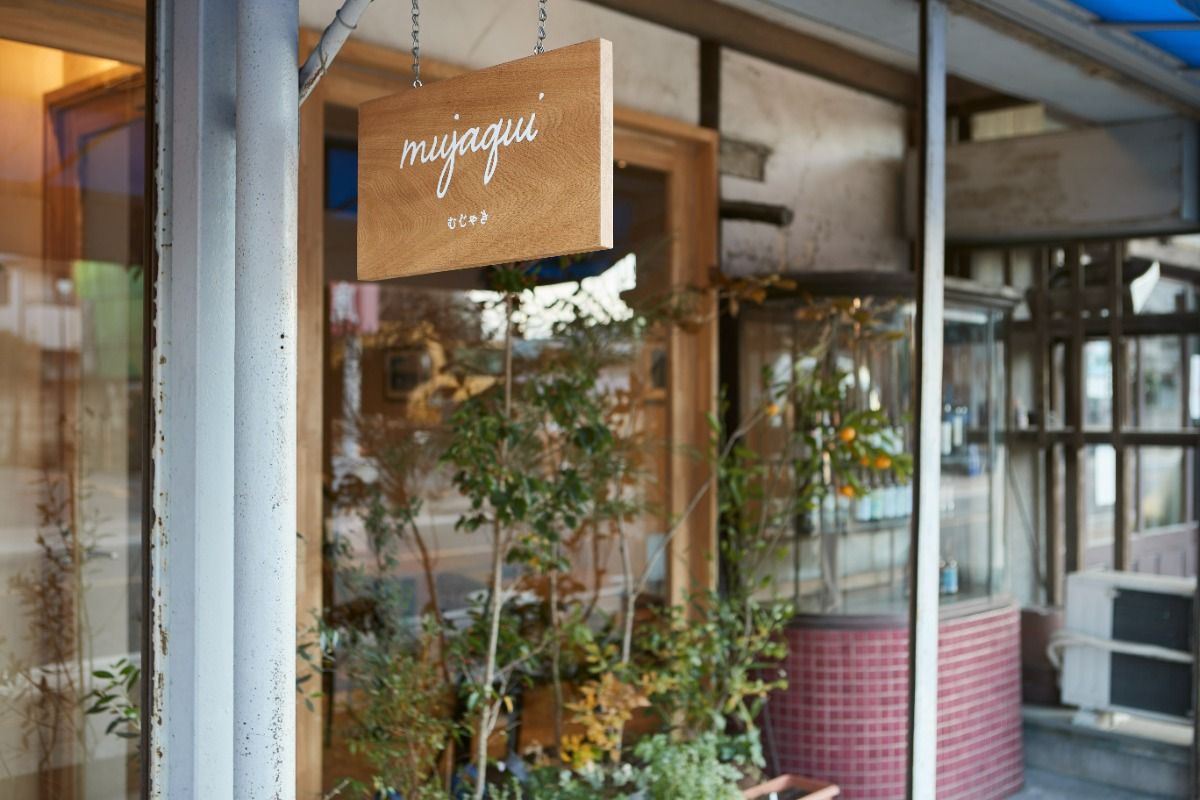
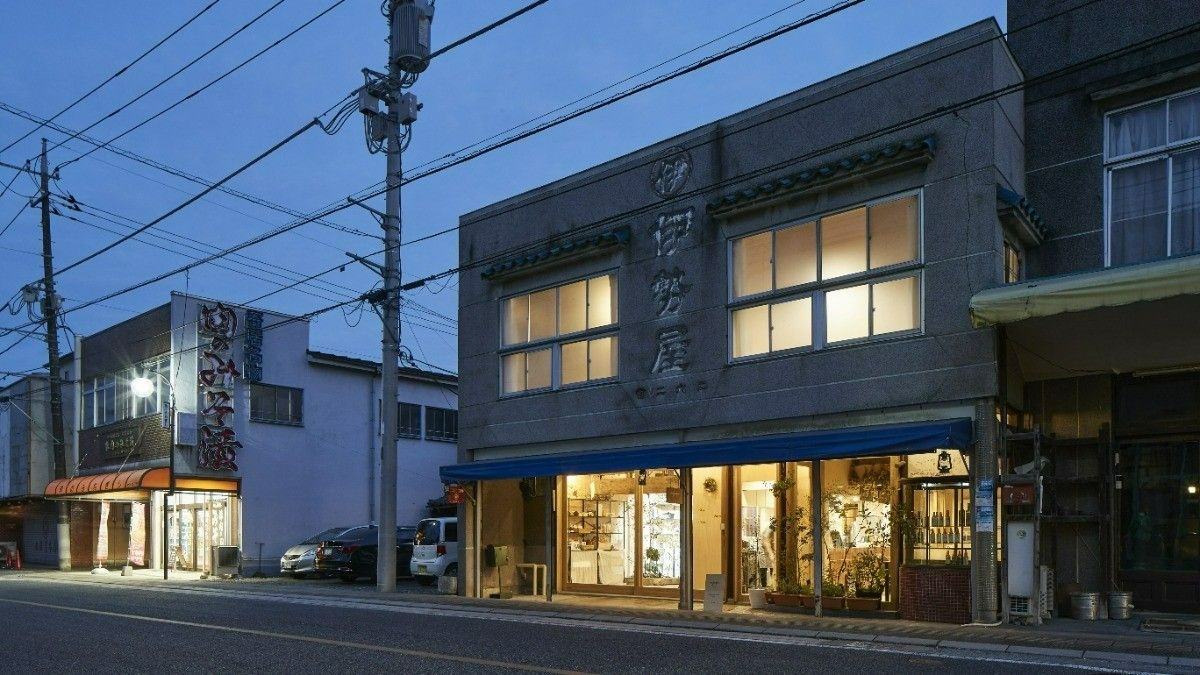 ▲ Even on our closed days we leave some of the lights on, so the street isn't dark
Holding on to what only an old building has
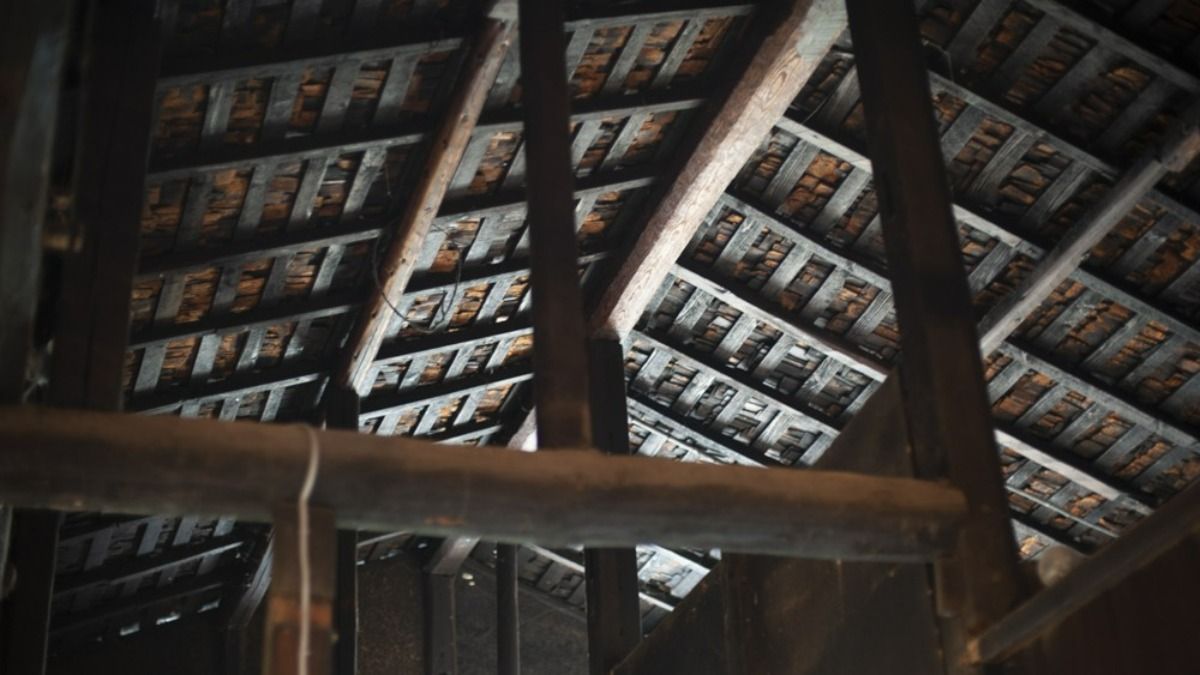
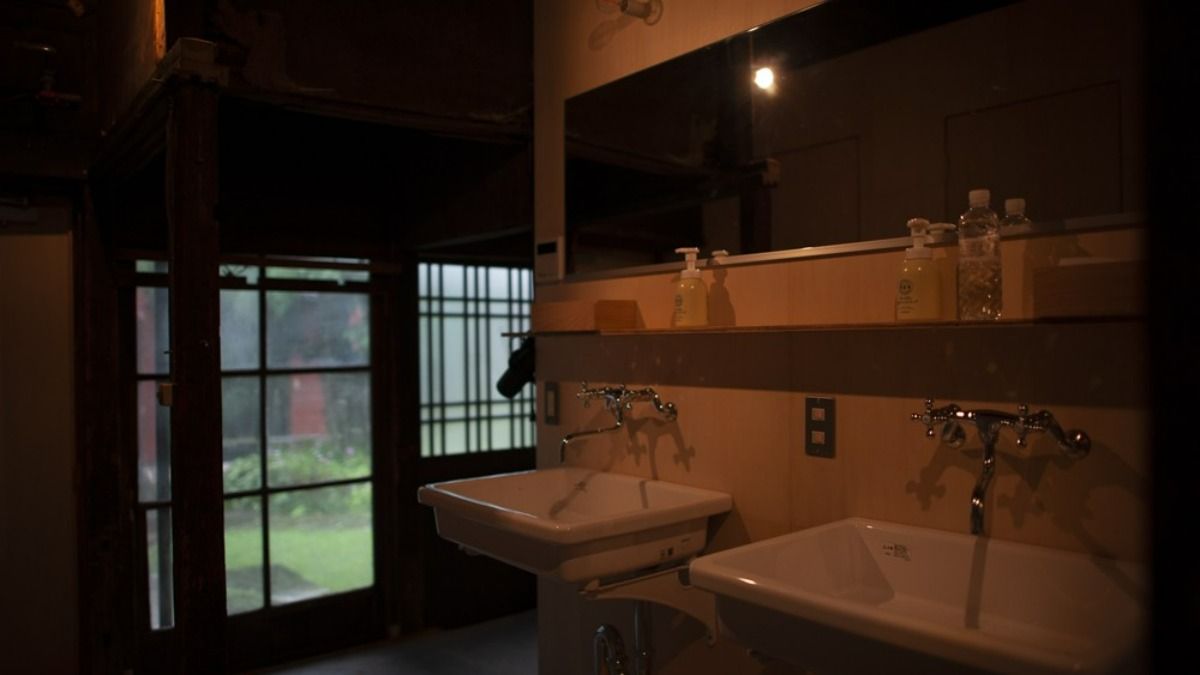
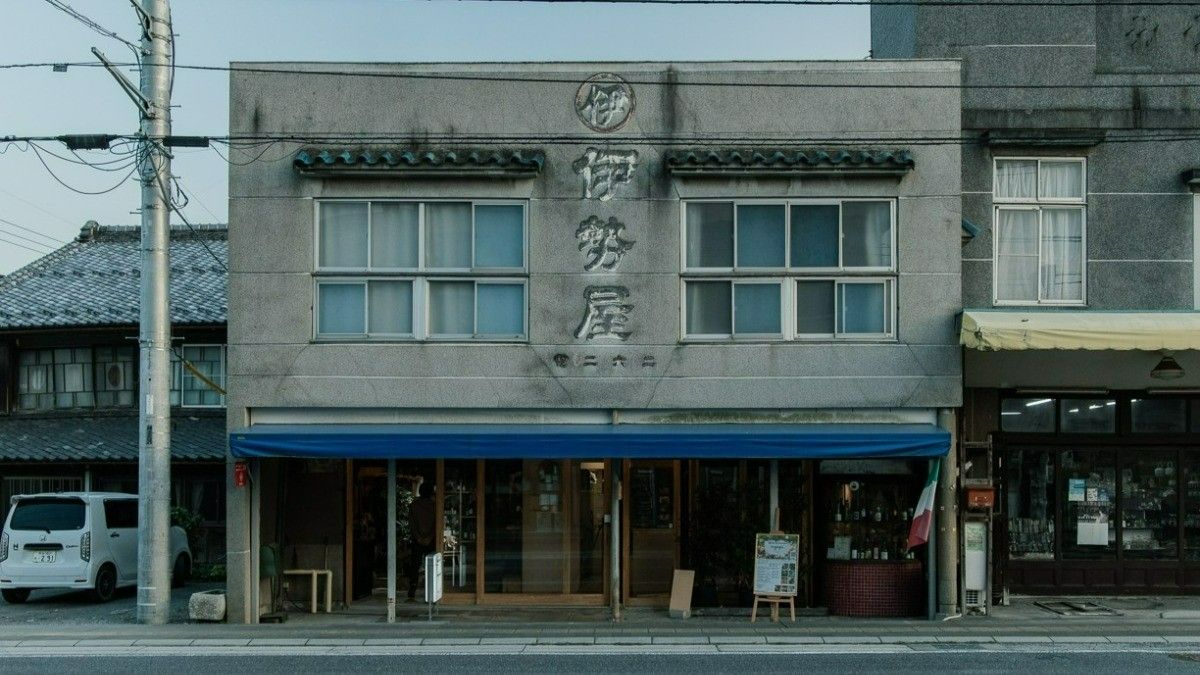
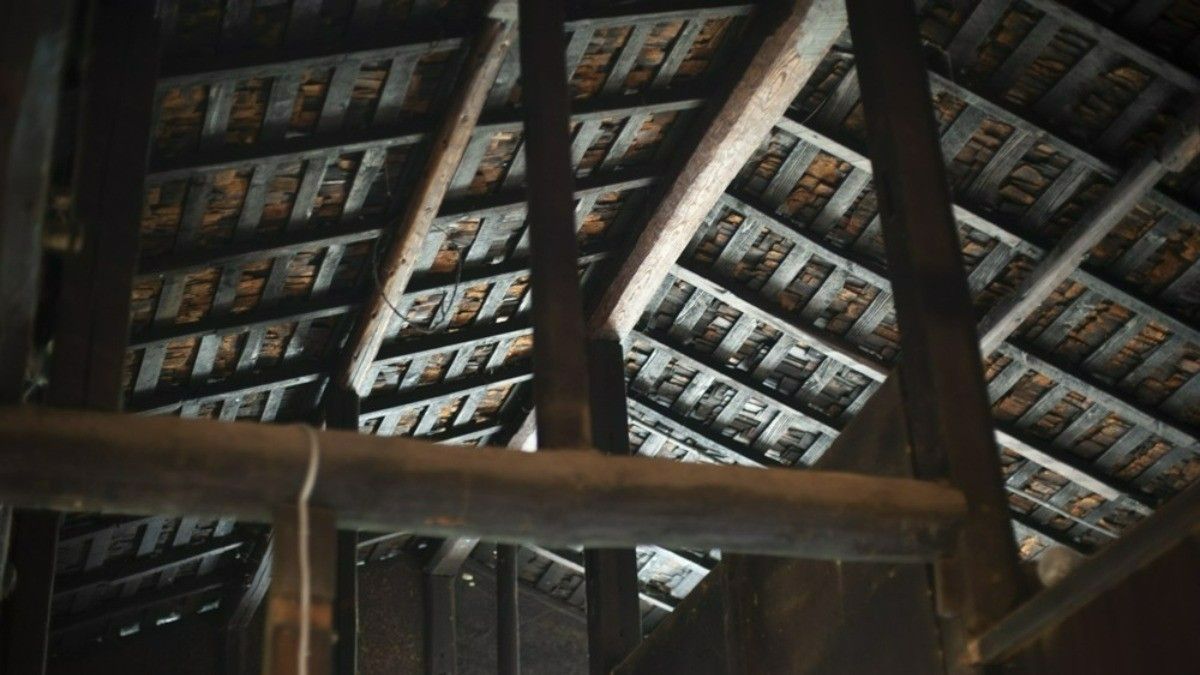
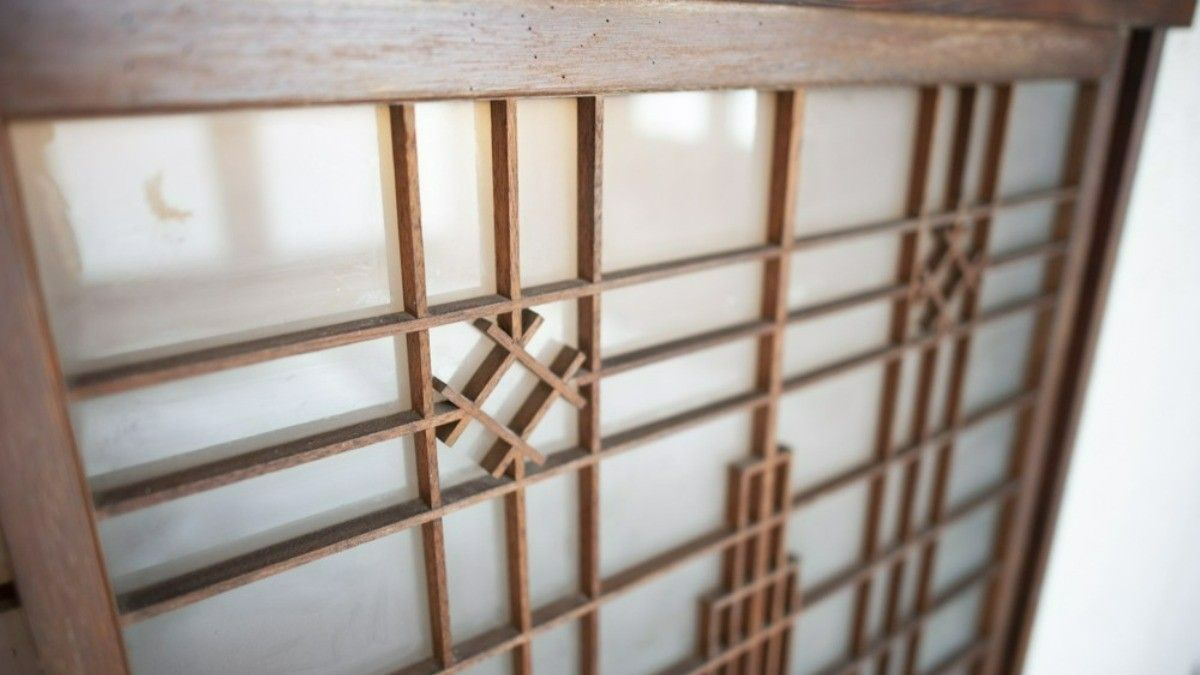
The building is over a hundred years old, and we renovated it in a way that keeps its age visible rather than papering over it. It's hot in summer, cold in winter, and sound carries between the rooms. We left it that way on purpose — that's simply part of what an old house is.
Of course it comes with inconveniences. But you can't build this from scratch; it takes a century. So we'd rather look after what's already here.
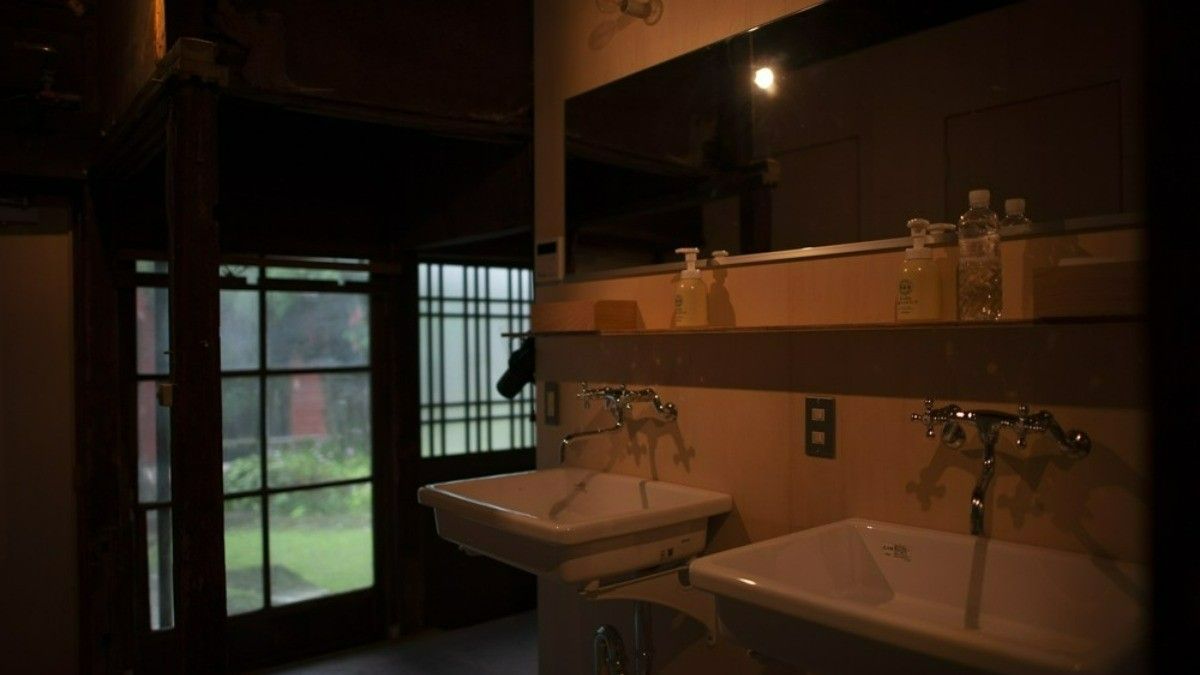 Simple rooms, built around sleeping well
In a town this size, we think the town itself should be the main attraction — not the inn.
Spend your day down by the river or up in the hills, and have dinner at one of the places on the shopping street. The inn is here to rest a tired body and give you a deep night's sleep, so the rooms are kept very simple, with only the essentials in the way of amenities.
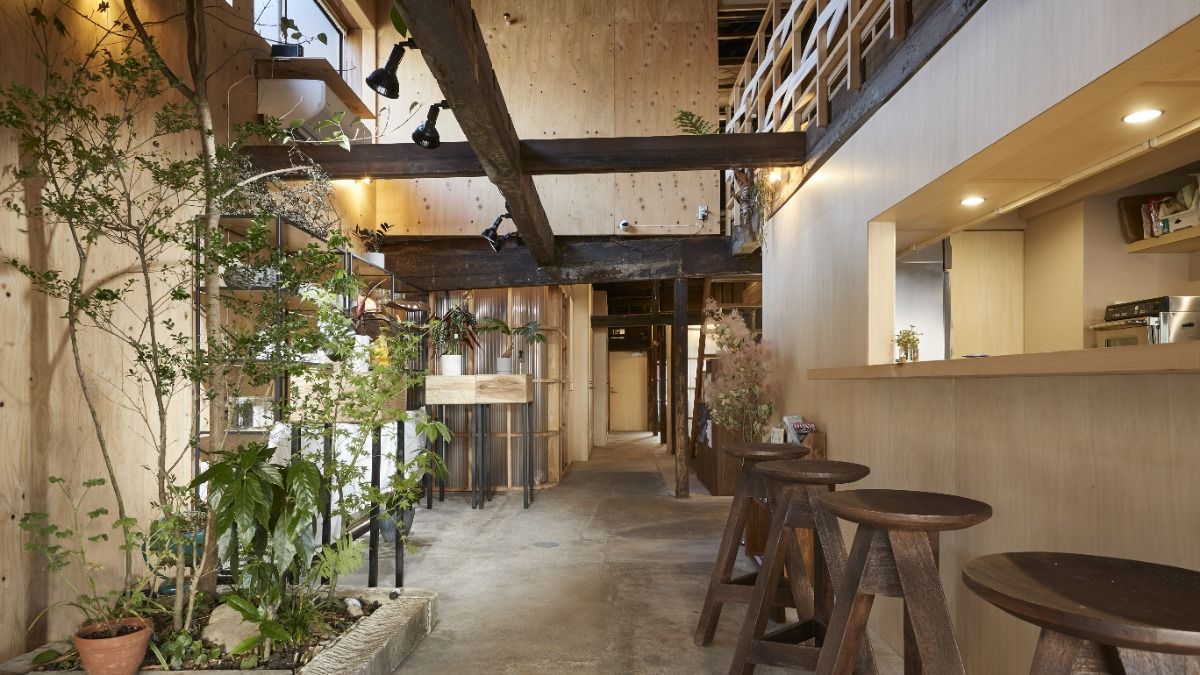
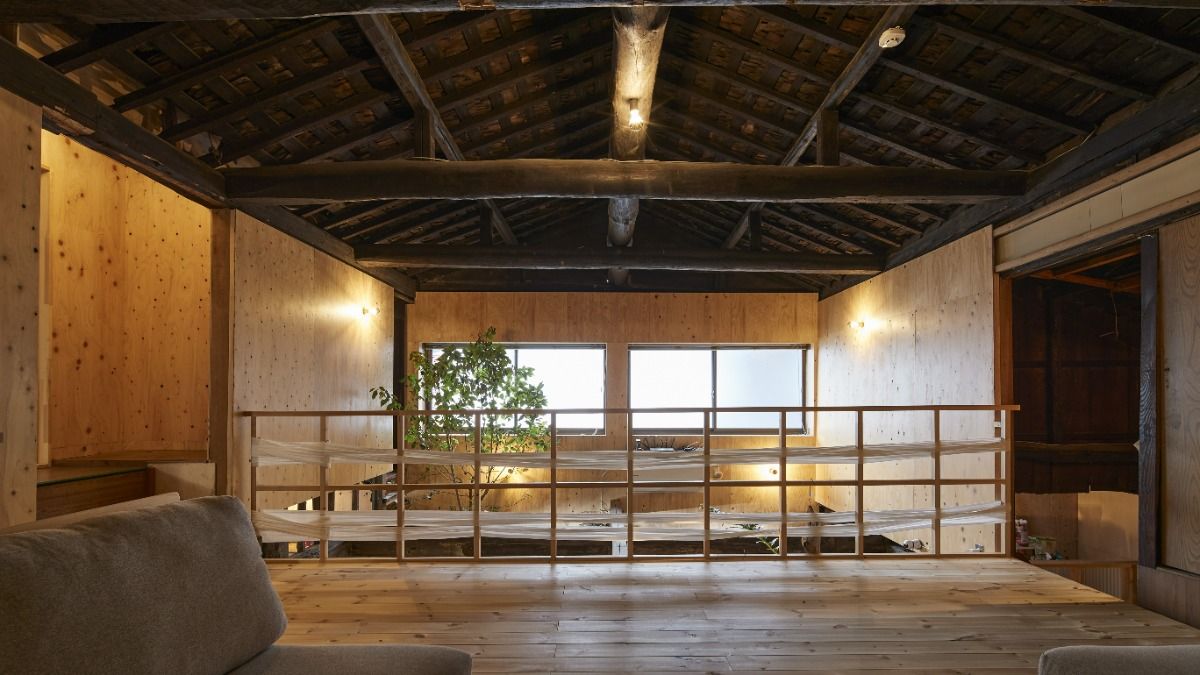
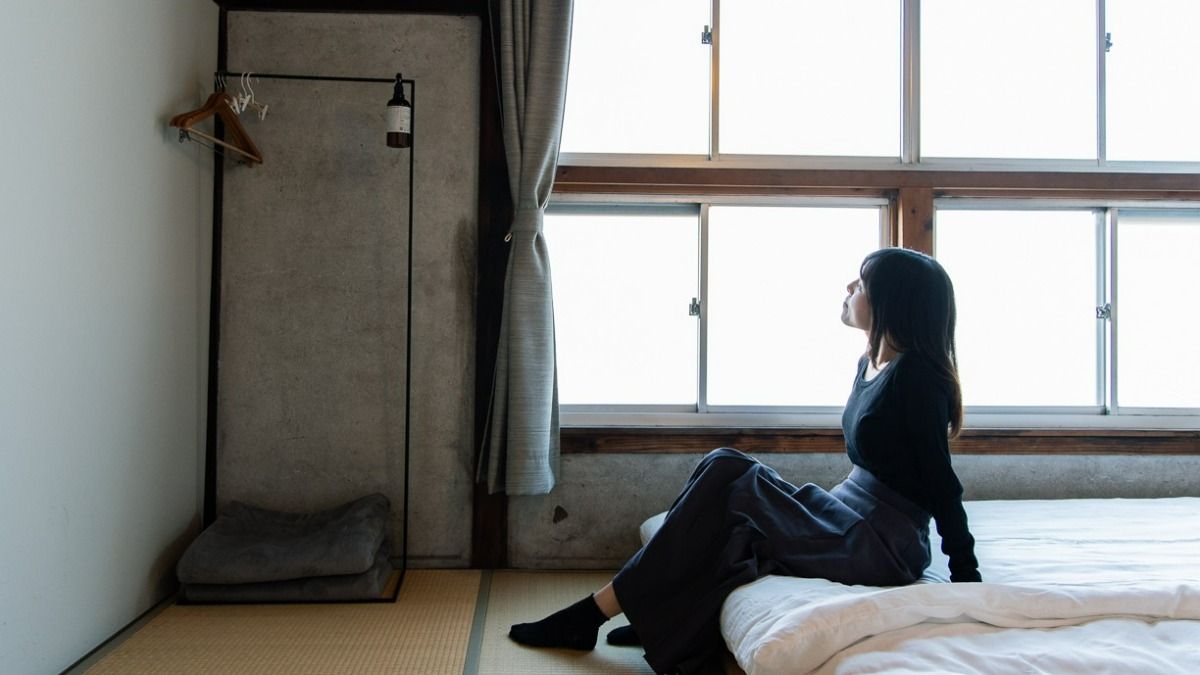
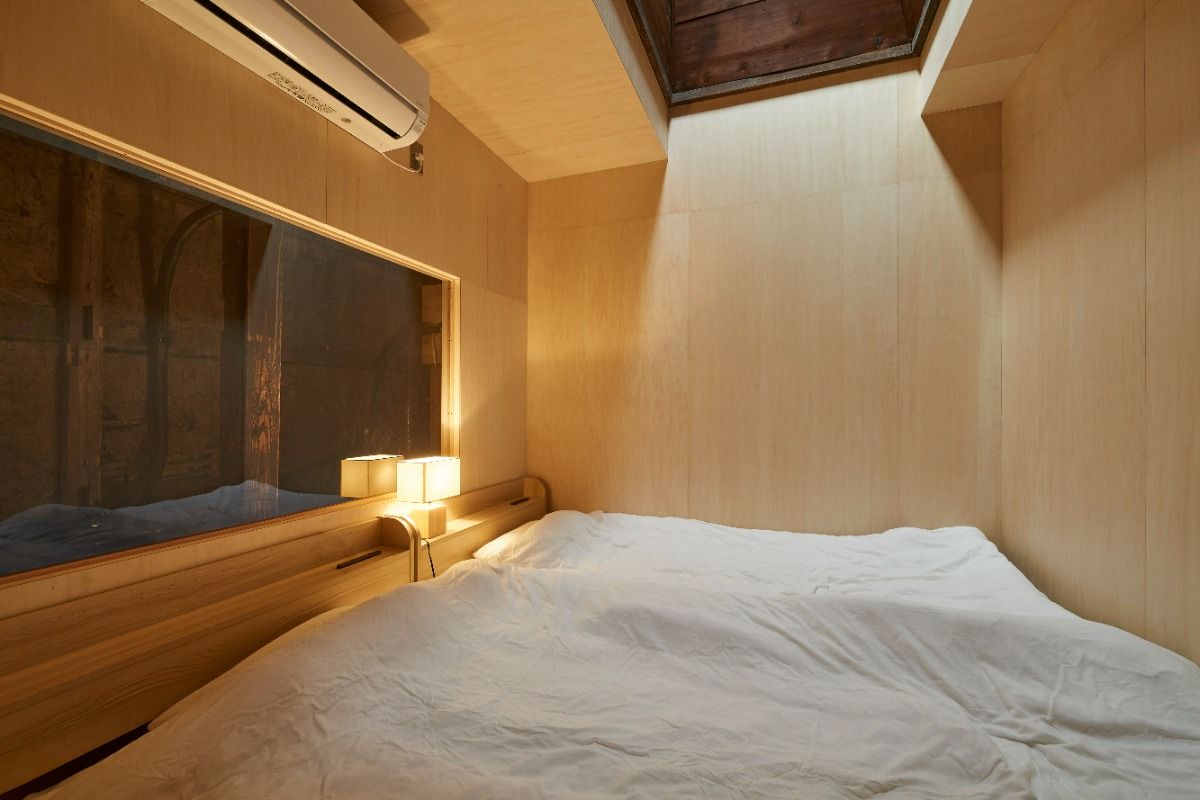
Comfort still matters, though. Downstairs we built compact, box-like rooms inside the old structure; upstairs we left the original tatami rooms almost exactly as they were.
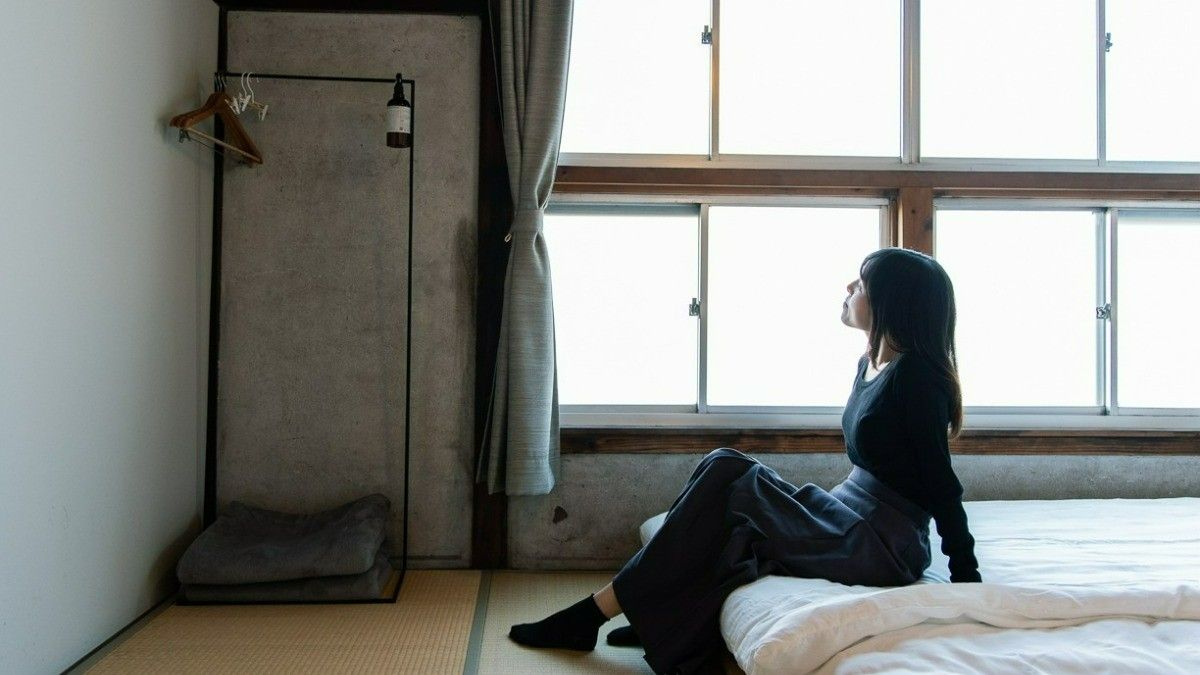 ▲ Upstairs: a Japanese-Western room. A simple space, a low bed, no TV
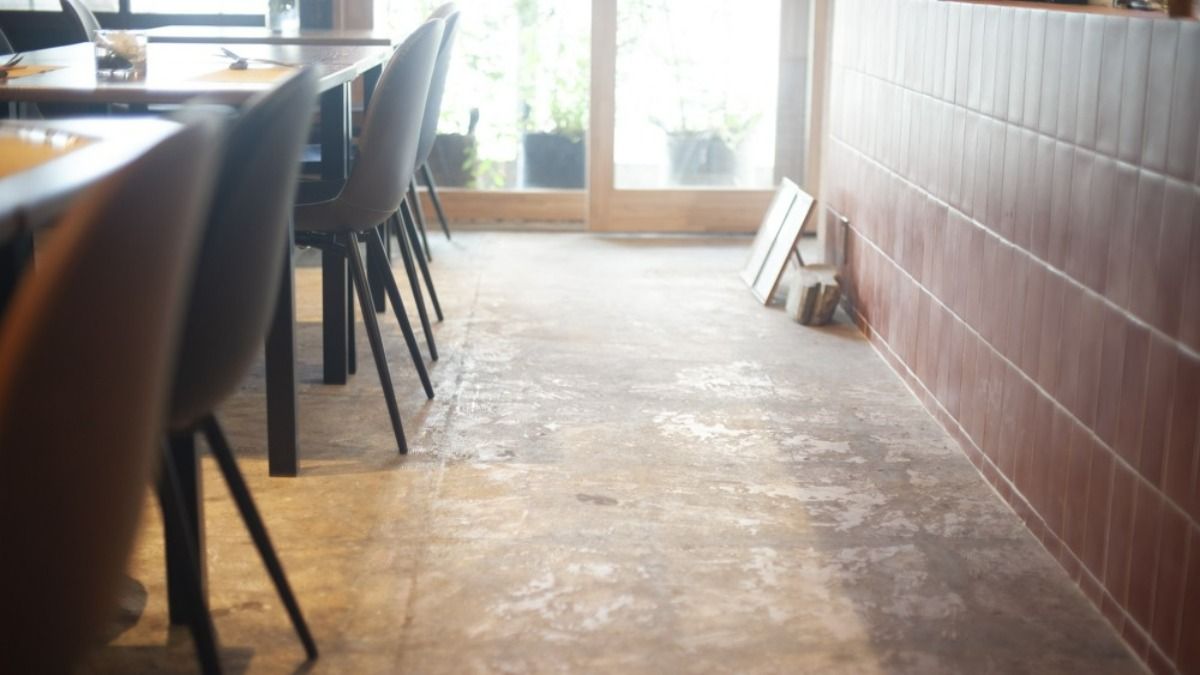
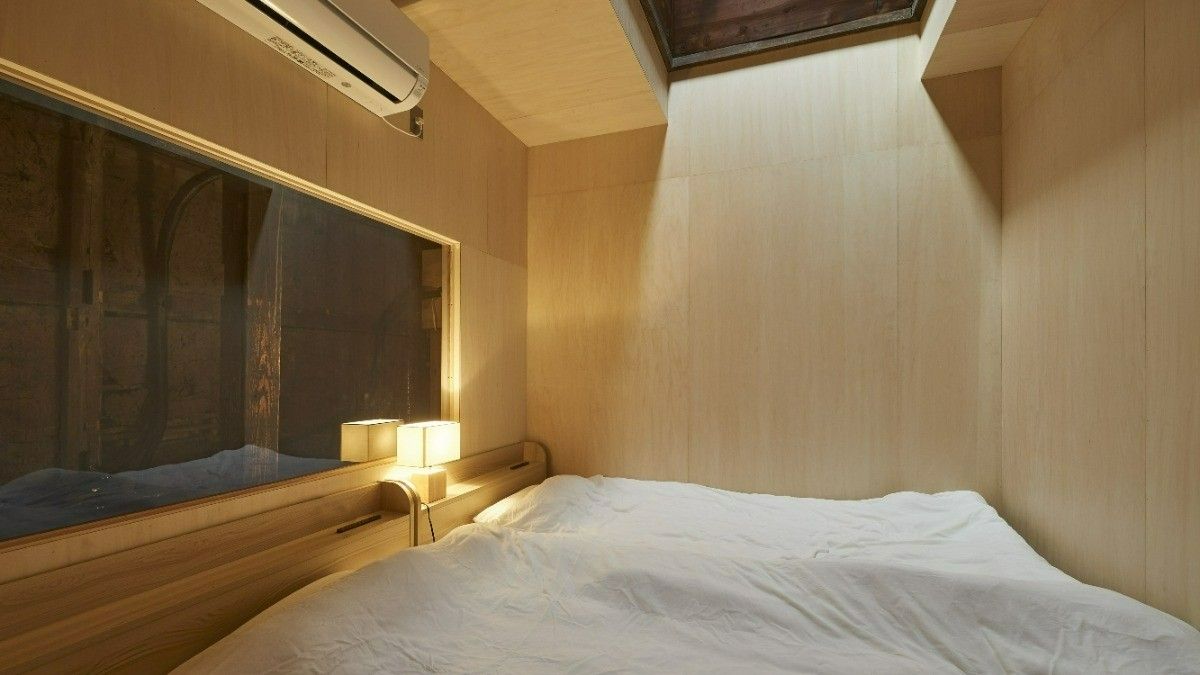 ▲ Downstairs: the twin room. A new box set inside the old building, with the hundred-year-old earthen wall left exposed like a piece of art
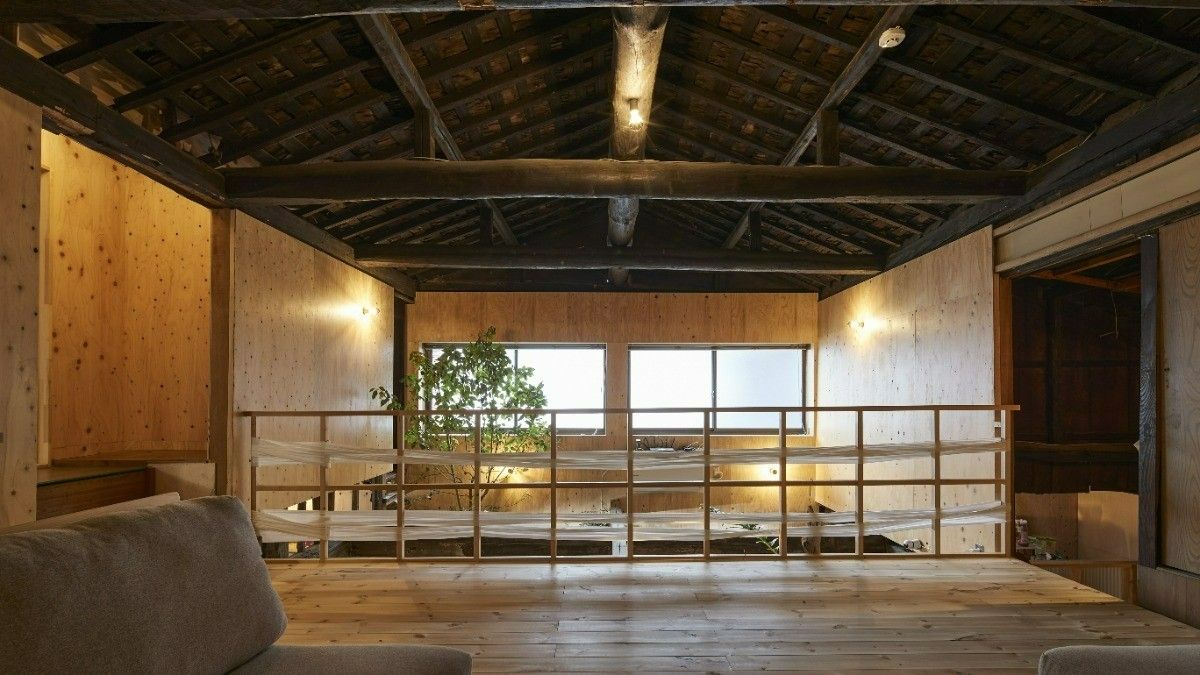 ▲ The guests-only lounge on the second floor
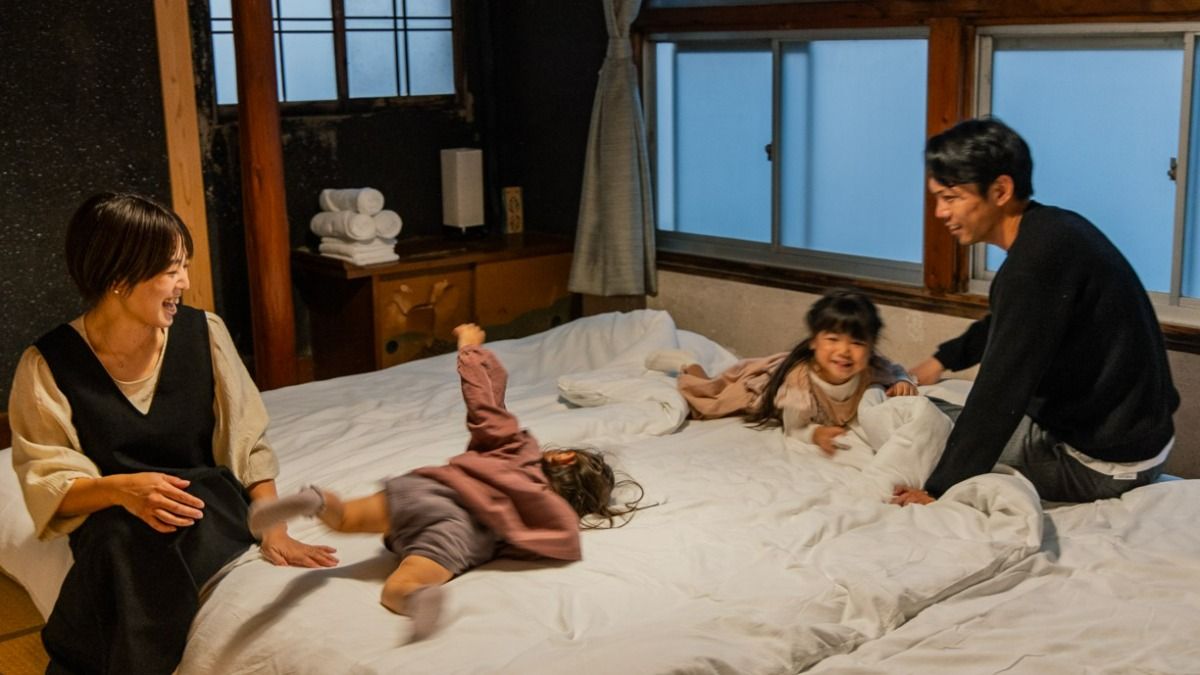
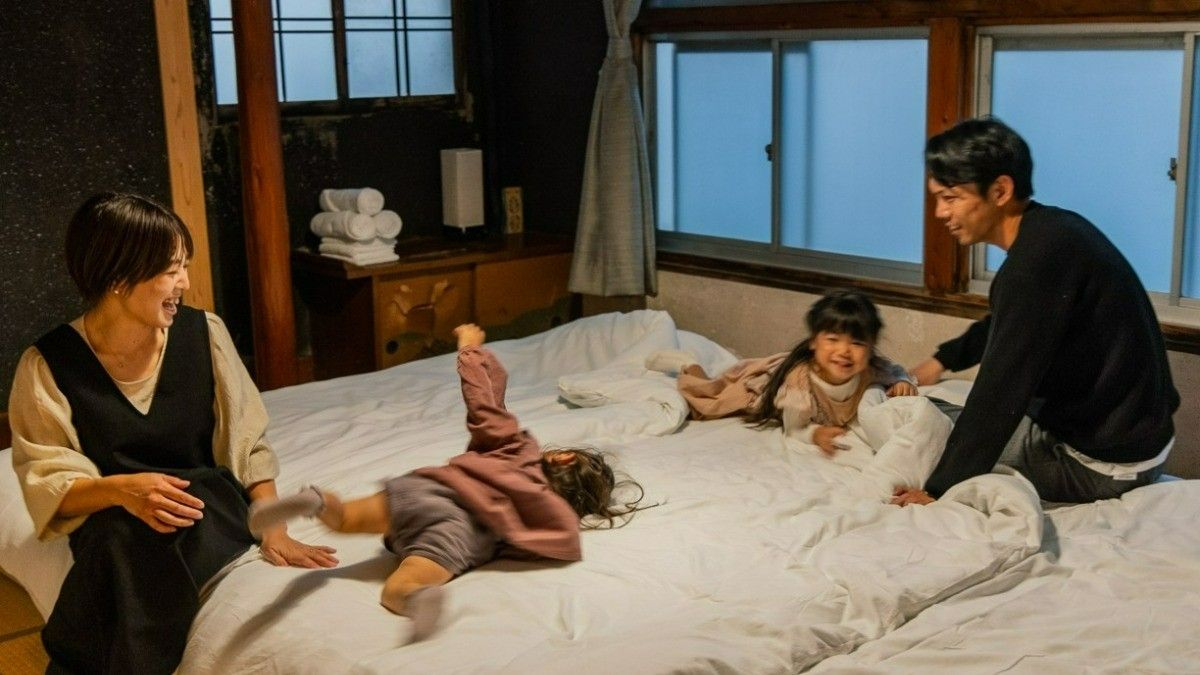 ▲ The triple room — a favorite with families
Doing a little good simply by being here
One of the ideas at the heart of mujaqui is that the place should make things a bit better — for the community, for the region, for the environment — just by continuing to exist.
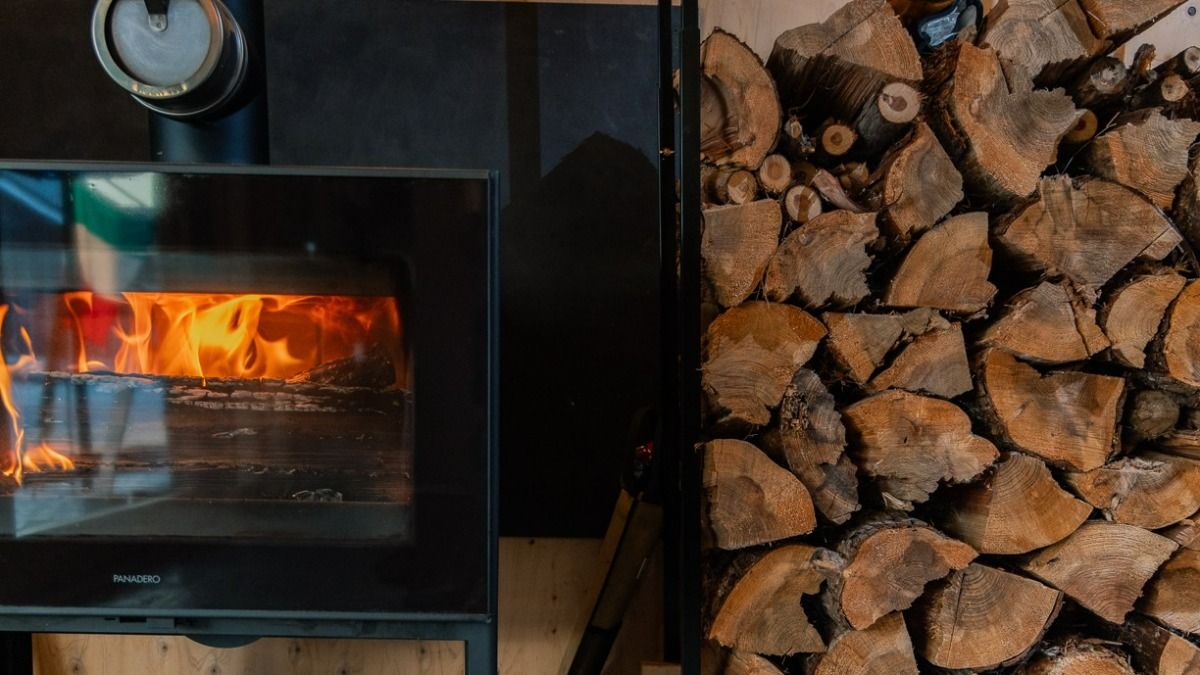
Take the wood stove.
Ours is built to burn softwood. After the war, Japan replanted its mountains on an enormous scale, and forests that had been mostly broadleaf became plantations of sugi (cedar) and hinoki (cypress). Then timber imports were liberalized, demand for domestic wood collapsed, and nobody had a reason to touch those conifer forests anymore. Without some way of using softwood, the forests can't be thinned and renewed.
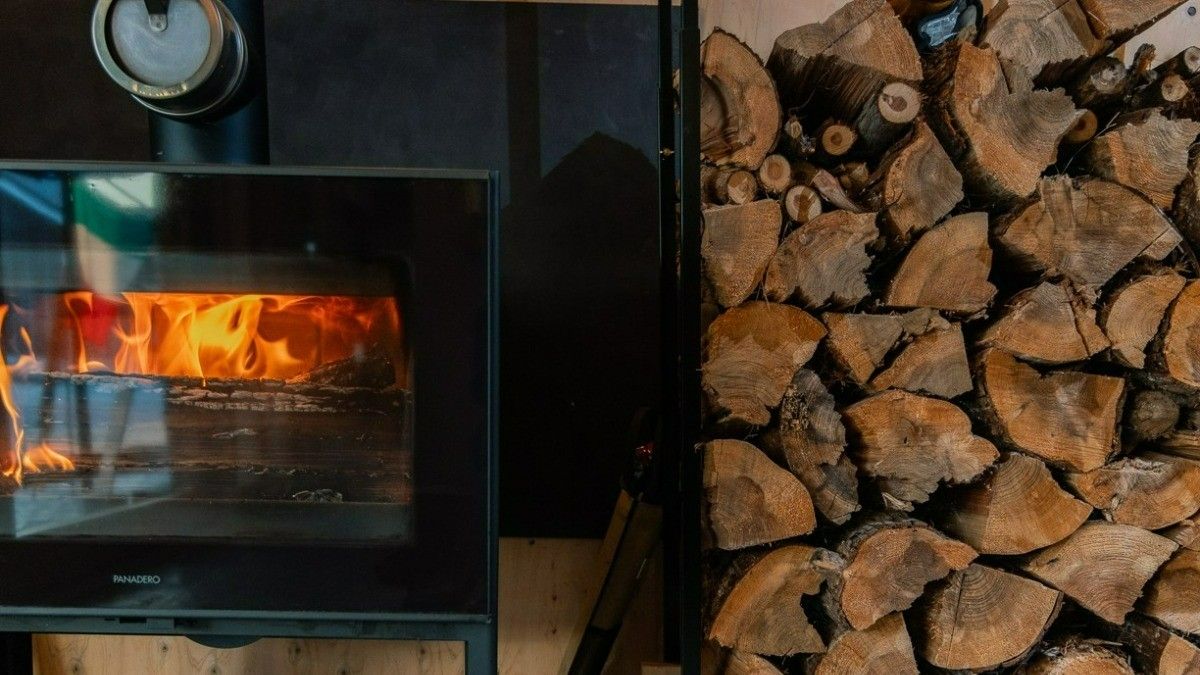 ▲ In winter, the seat in front of the stove is the best in the house
Hence a stove made for conifers.
Wood stoves normally burn hardwood — it's denser and holds a fire longer. Ours is designed to burn slowly on a restricted air supply, so that softwood behaves much like hardwood. Which means that all through the winter, the more we use the stove, the more we're helping with Japan's forestry problem.
The same thinking goes into our amenities and our electricity. Come and stay, and without trying, without even thinking about it, you'll have done a small good turn for this region and for the wider world. That's the kind of business we want to be.
An inn the neighborhood keeps going
mujaqui actually closed once. We simply couldn't find enough people to run it.
Wouldn't it be good, some local women thought, if there were a place around here where people could gather? And they offered to take on the running of it themselves.
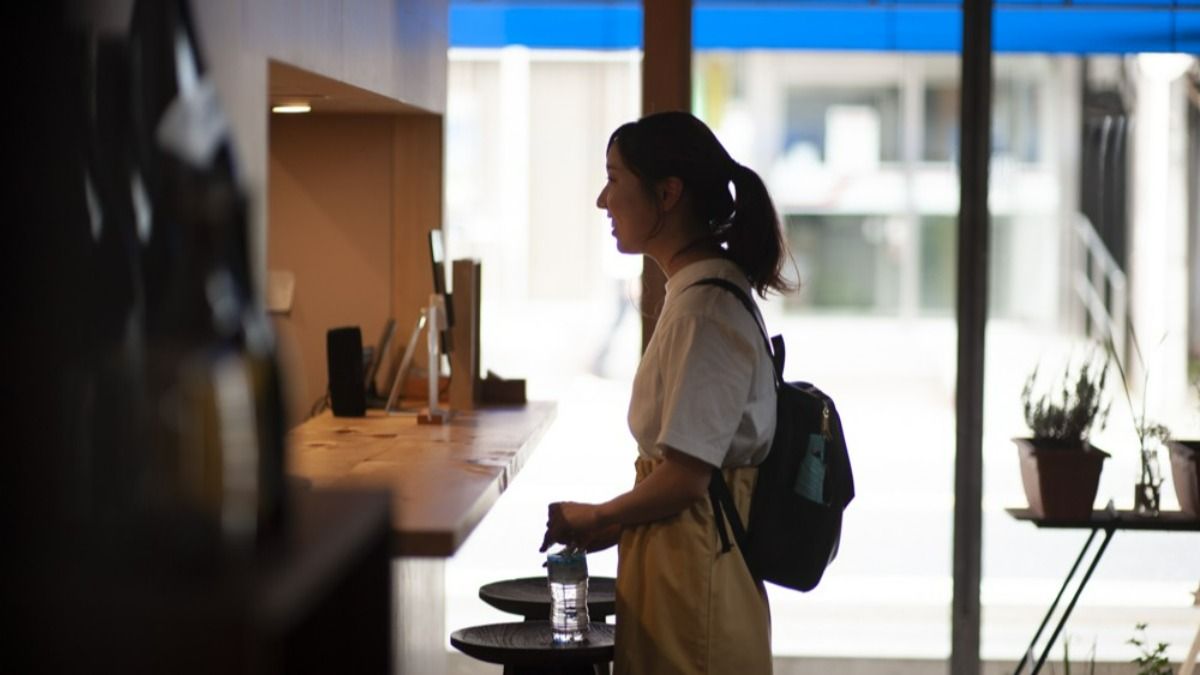
Yorii runs a project called YORIMaMa, which helps women find ways of working and living that fit whatever stage of life they're in. mujaqui's reopening grew out of that project. The inn is kept going today by what the women of this town wanted for it.
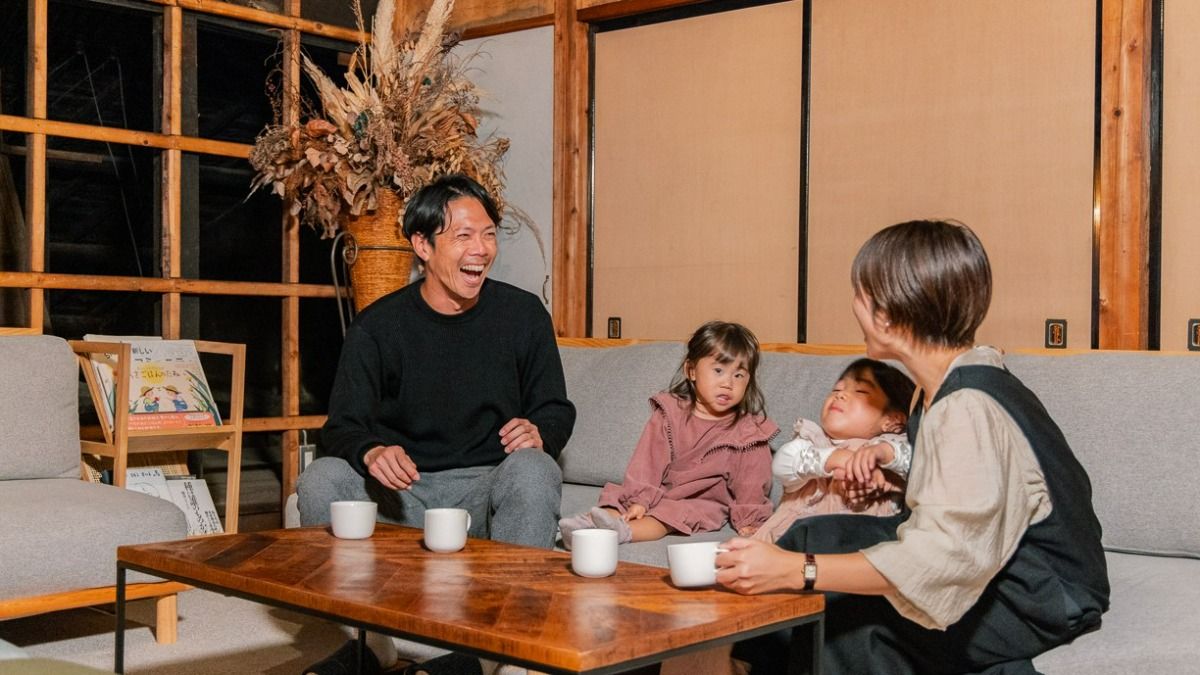
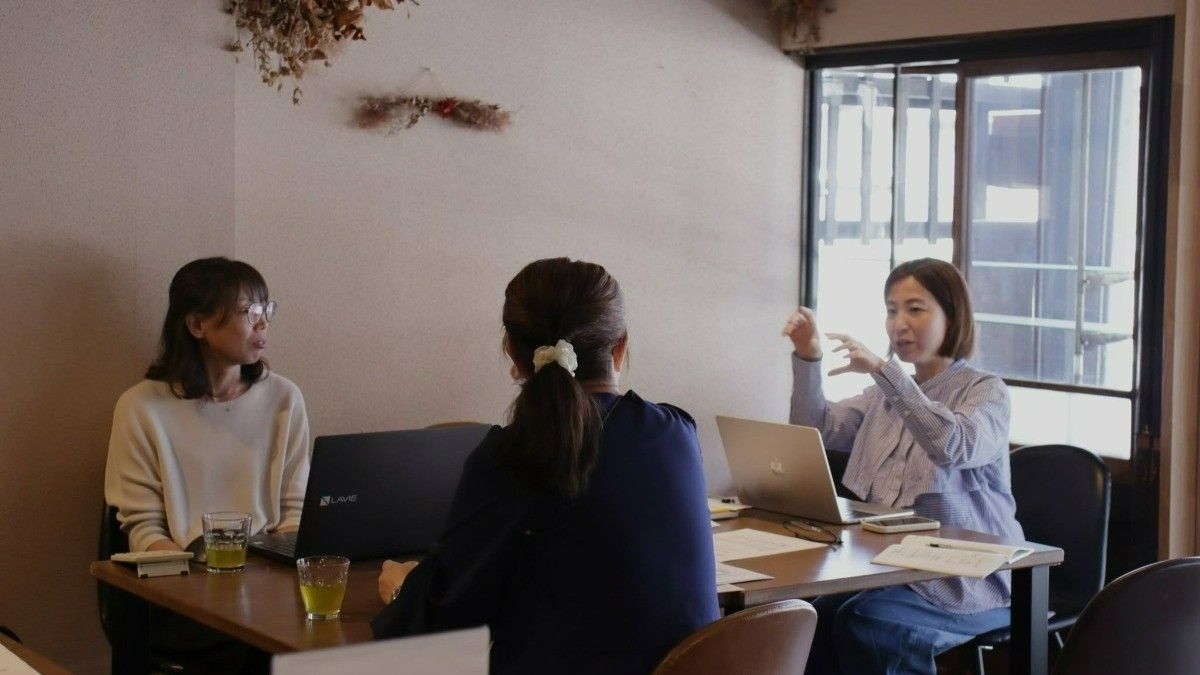 ▲ The space also serves as a base for local women's activities
A word in favor of wandering
Yorii isn't a tourist town, and there are no headline sights. Which is exactly why time moves so gently and modestly here.
If you have an hour before or after your stay, walk five minutes down to the Tamayodo riverbank. The name means something like "a pool as beautiful as a jewel." Nearby you'll find Suzumemiya Park, laid out on the grounds of a villa that once belonged to the kabuki actor Matsumoto Kōshirō VII, and Hachigata Castle Park, the site of one of Japan's 100 Fine Castles — both good places to brush up against a little history.
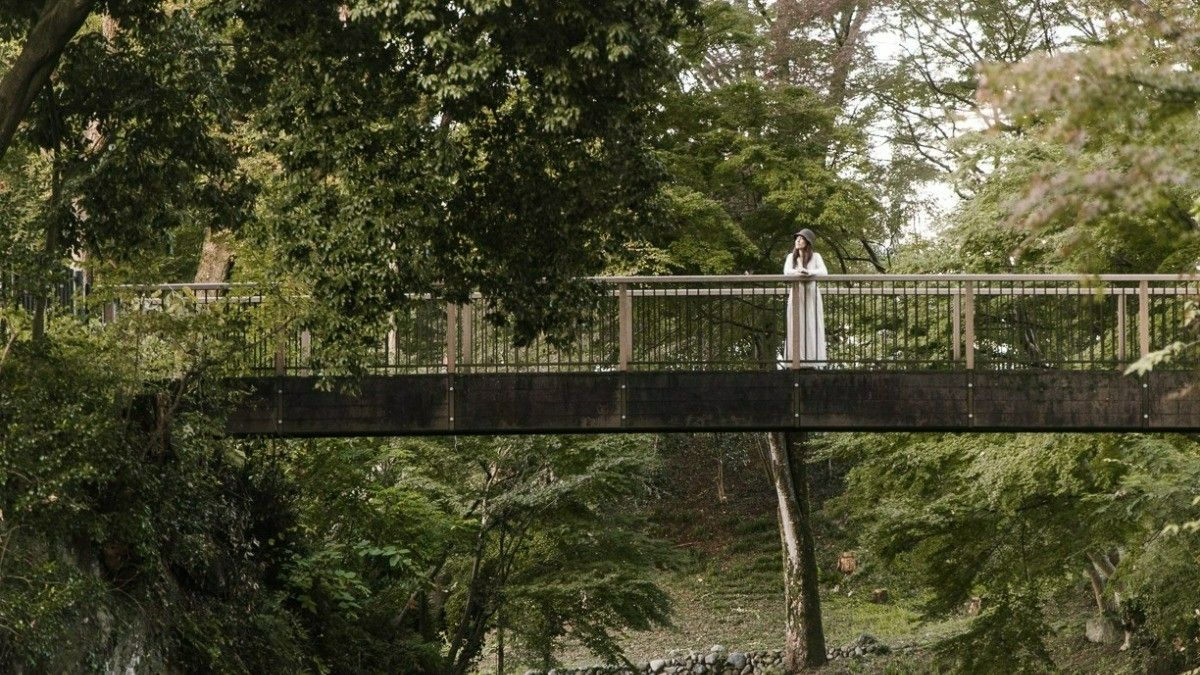 ▲ Suzumemiya Park; lovely for a morning walk
If you'd rather eat: Chinryūsō Kyōtei is a celebrated spot for ayu (sweetfish), Nihon Ryōri Kiraku serves beautiful seasonal cooking, and Neijitsu offers a refined room and an unhurried few hours — all in the kappō tradition of Japanese fine dining.
Yorii also has a strong pork-eating culture, a legacy of the pig abattoir that once stood here. Which leads to a local quirk: around here, yakitori doesn't mean chicken. It means pork cheek, skewered, grilled over charcoal, and dipped in a spicy miso sauce. There are several yakitori shops clustered around Yorii Station — Kinnosuke Horumon, Tanabe, Anraku and others — so do go and have a wander. The other local specialty is tare-katsudon, a pork cutlet steeped in sweet-savory sauce and served over rice; Imaiya, right in front of the station, has been making it for more than a hundred years.
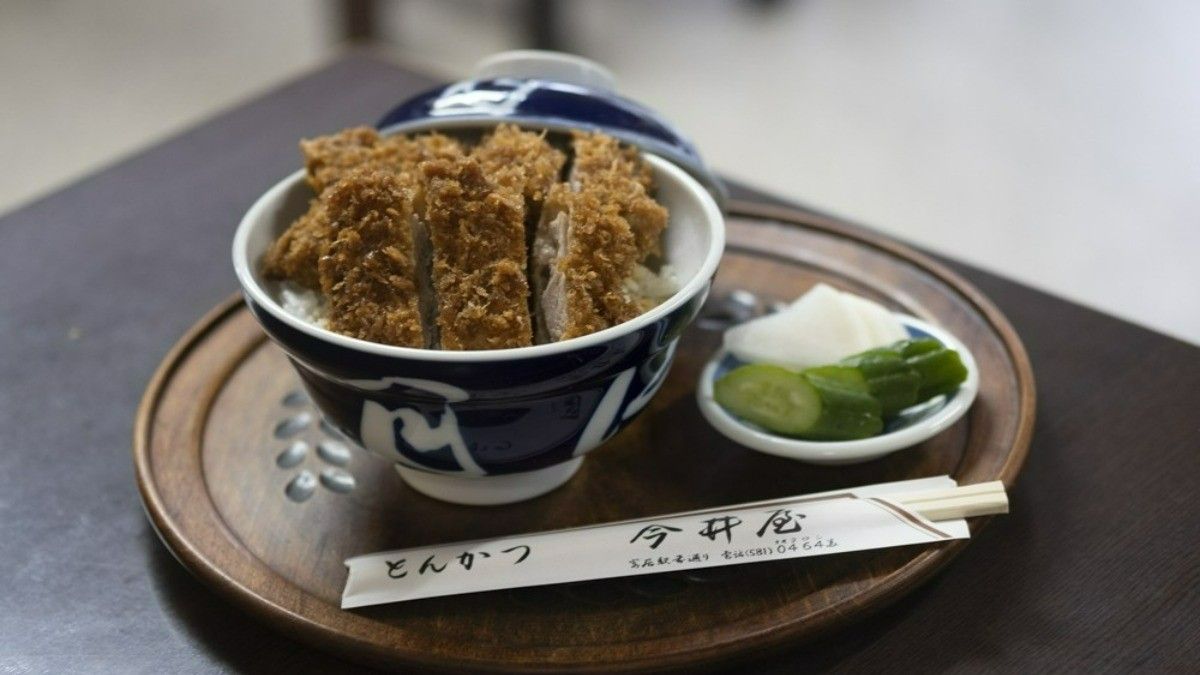 ▲ Imaiya's katsudon, a Yorii institution. Expect a line
 ▲ "Yakitori" made from pork cheek — said to have started right here in Yorii (photo courtesy of Kinnosuke Horumon)
Now and then, spend a day as carefree as a child
Laugh, eat well, sleep soundly.
Stay a while in this town, let its gentle air get to you, and spend one day as open and carefree as a child — mujaki, in Japanese. You may hear something of our name in that word.
An engawa is the narrow wooden veranda that runs along the edge of an old Japanese house — not quite inside, not quite outside. Neighbors stop by without being invited, sit down without taking their shoes off, and stay as long as the conversation lasts. It belongs to the house, but it belongs to the street too: the place where a community quietly gathers, without anyone having to arrange it.
The details
Name: mujaqui — the town's engawa, where the heart unwinds
Address: 908 Yorii, Yorii-machi, Osato-gun, Saitama
Access: About 7 minutes on foot from Yorii Station; about 5 minutes from Tamayodo Station
Email: mujaqui2022@gmail.comCheck-in: 15:00–23:00 (self check-in system)
Check-out: by 10:00
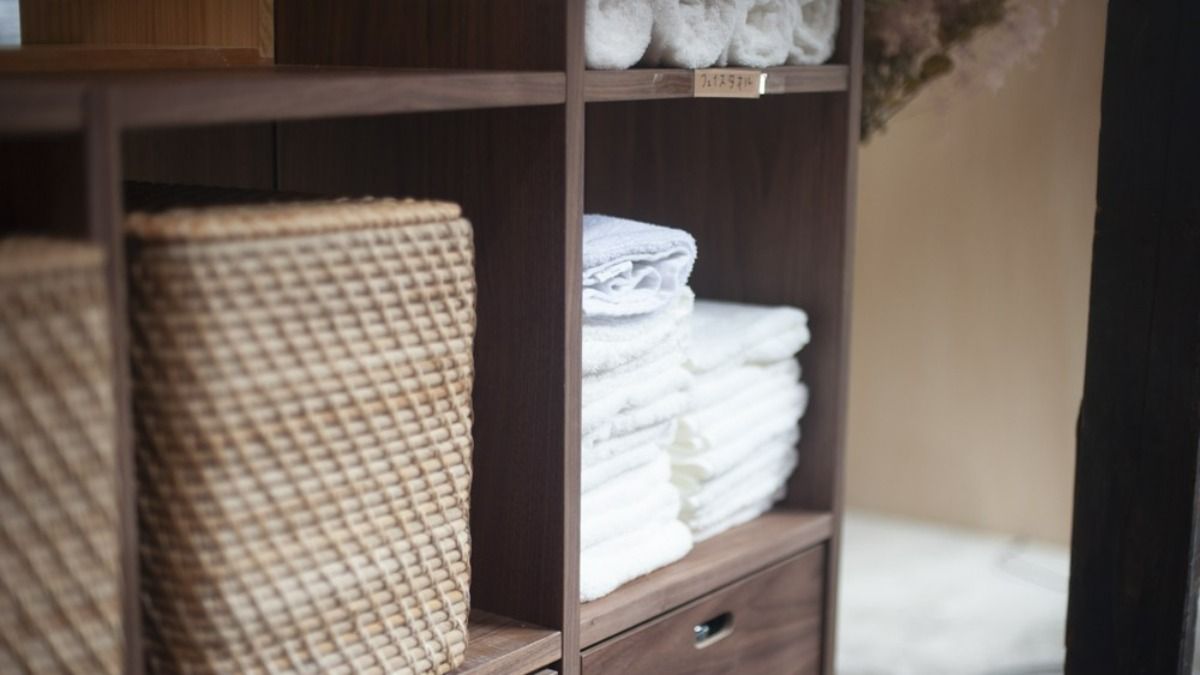
Amenities & FacilitiesAmenities: Face towel / bath towel / hair dryer / shampoo / body soap / hand soap
*Toothbrushes, razors and nightwear (pajamas / yukata) are not provided
Facilities
Wi-Fi (throughout the building) / air conditioning and heating (in every room)
A refrigerator and an electric kettle are in the guests-only lounge on the second floor (free to use at any time)
mujaqui — the town's engawa, where hearts unwind
A guesthouse in a century-old former Japanese sweet shop, with private rooms only.
View Facility DetailsPlans
Rooms
Box Room 101 (Twin)
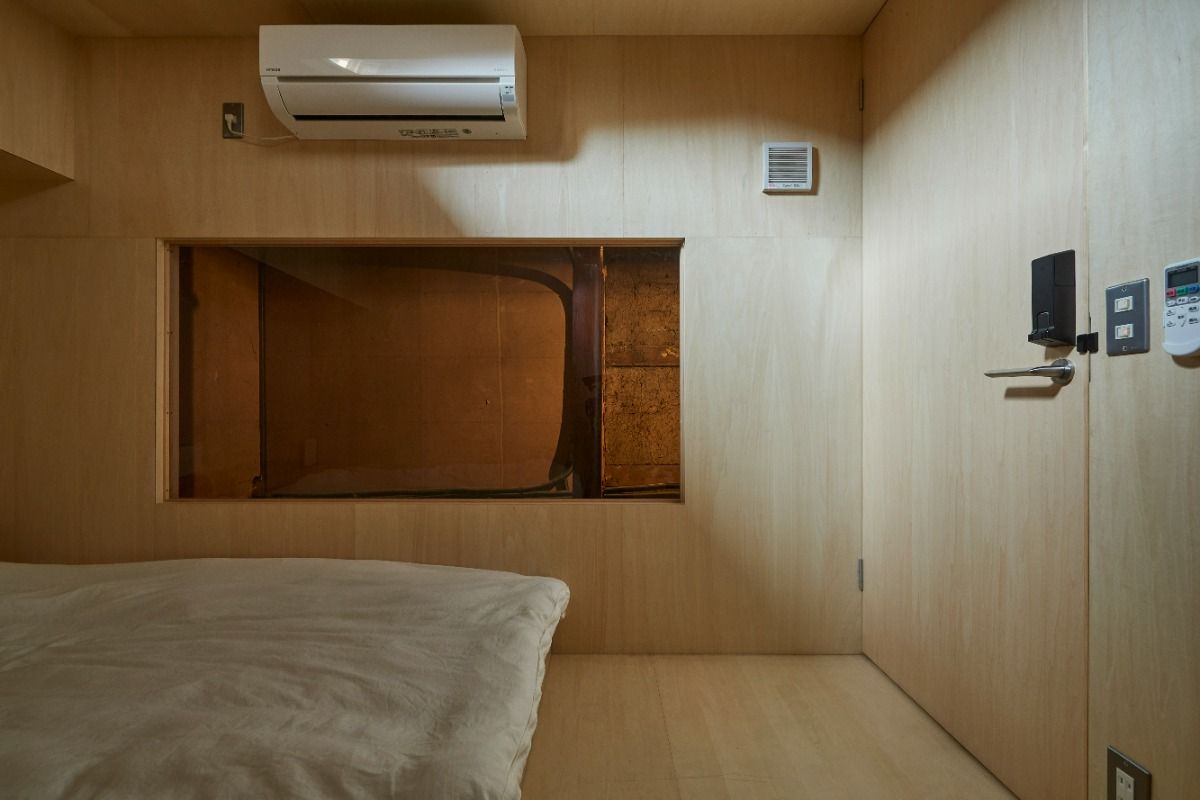
Box Room 102 (Twin)
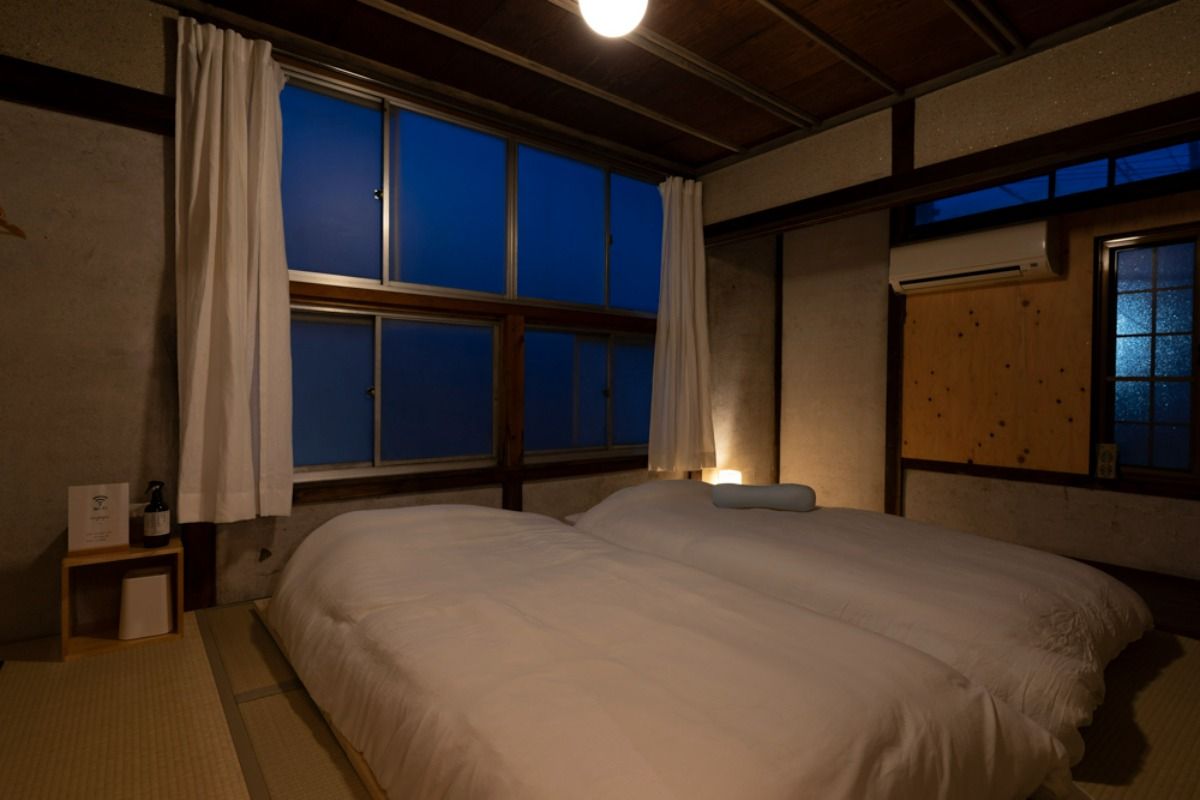
Japanese-Western Room 202 (Twin)
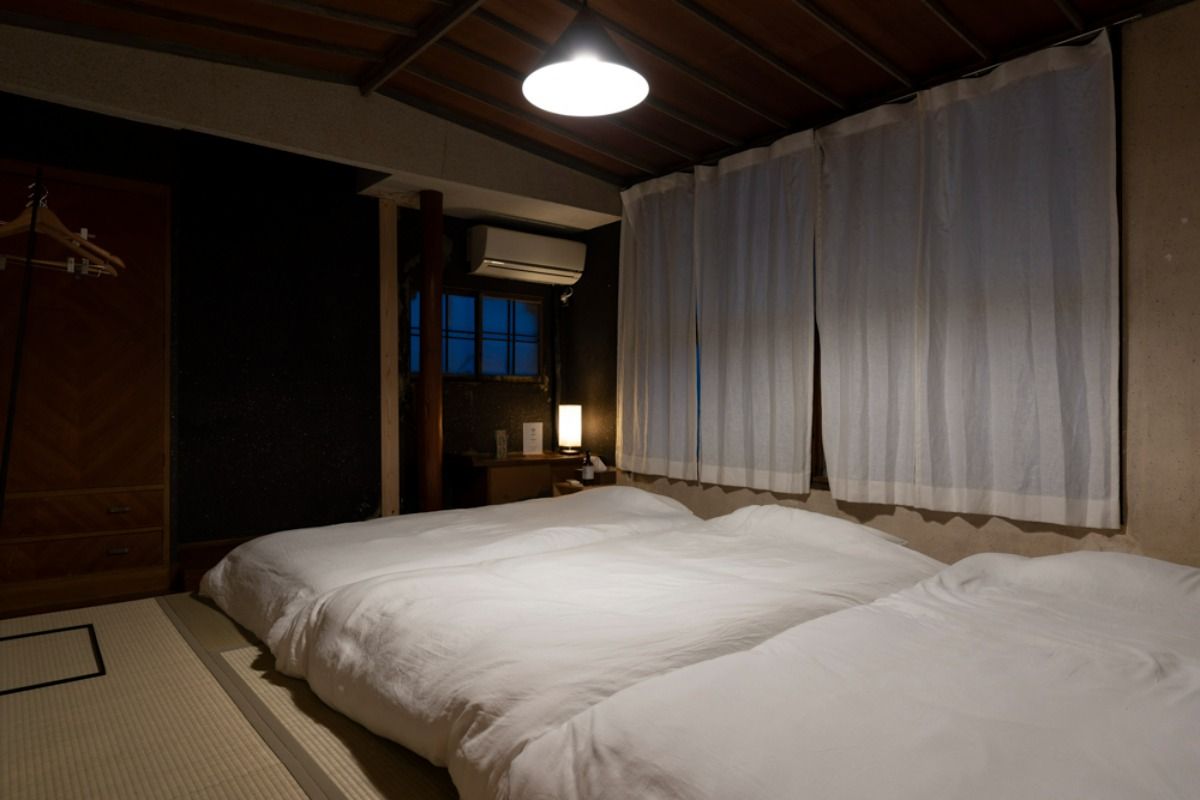
Japanese-Western Room 201 (Triple)